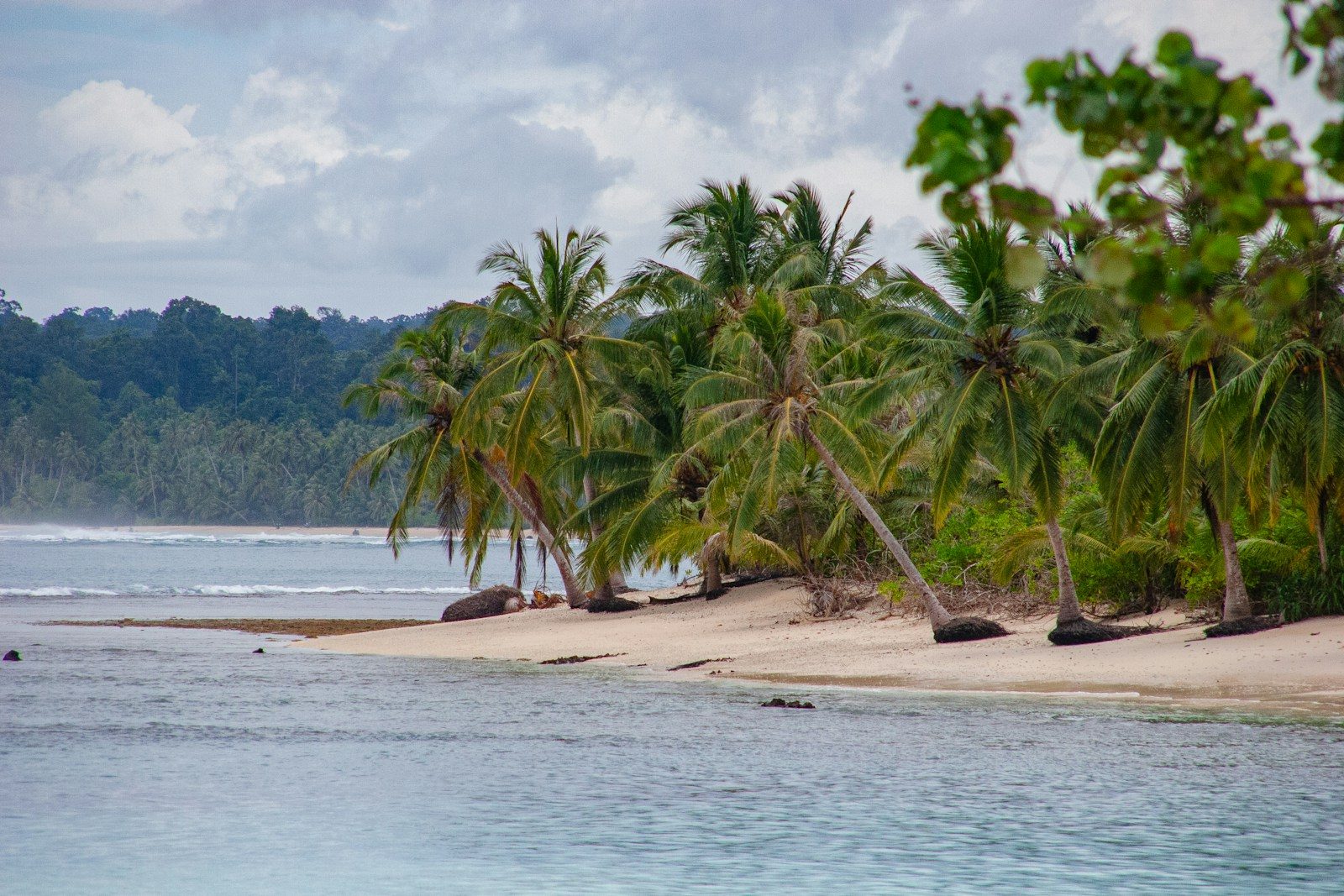
In the Bay of Bengal lies a small island covered in thick jungle. It is home to the Sentinelese, one of the last uncontacted tribes on Earth.
For thousands of years, they have fiercely defended their shores from outsiders. But the real danger of contact is not their spears. It is an invisible biological threat.
A shield of extreme hostility
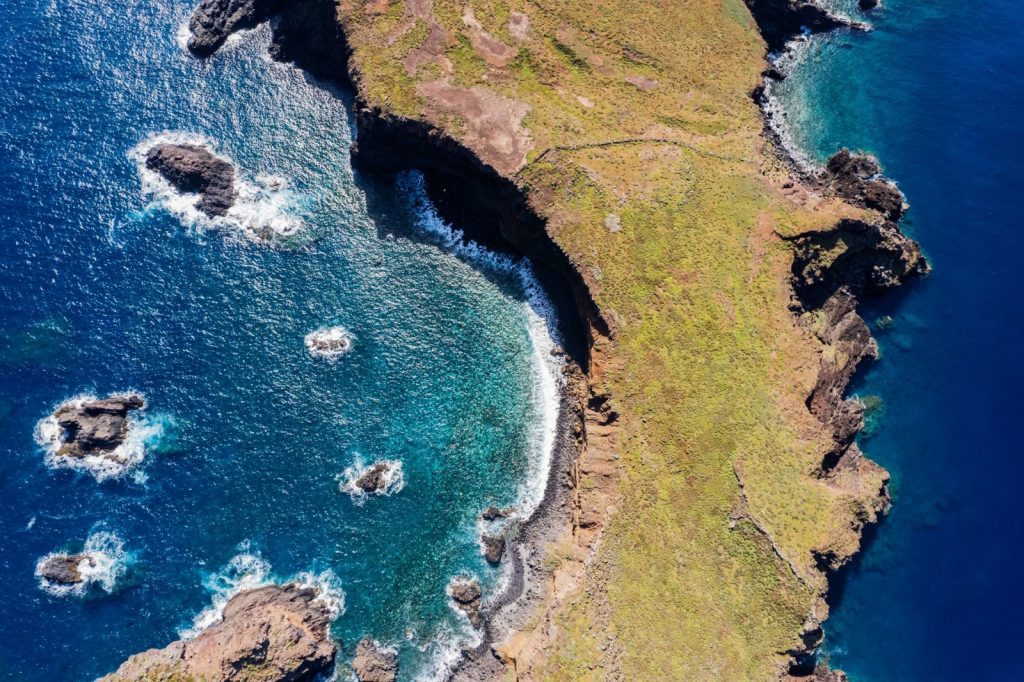
The Sentinelese reject all contact with the modern world. Anyone who approaches North Sentinel Island is met with a hail of arrows. The Indian government bans all travel within five miles of the coast. This boundary protects both the islanders and curious travelers. But this isolation has a deep historical cost.
Surviving sixty thousand years alone
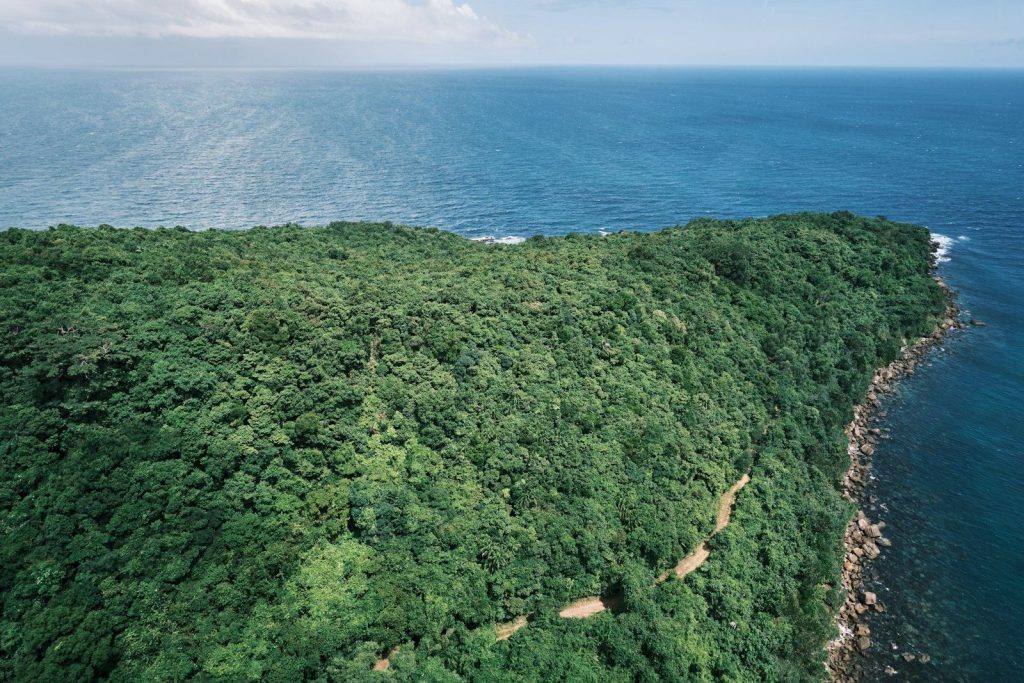
Anthropologists believe these people have lived on the island for sixty thousand years. They survived the massive 2004 Indian Ocean tsunami without any modern aid. They live as hunter-gatherers using resources from the forests. Their survival is a miracle of human history.
The invisible biological shield
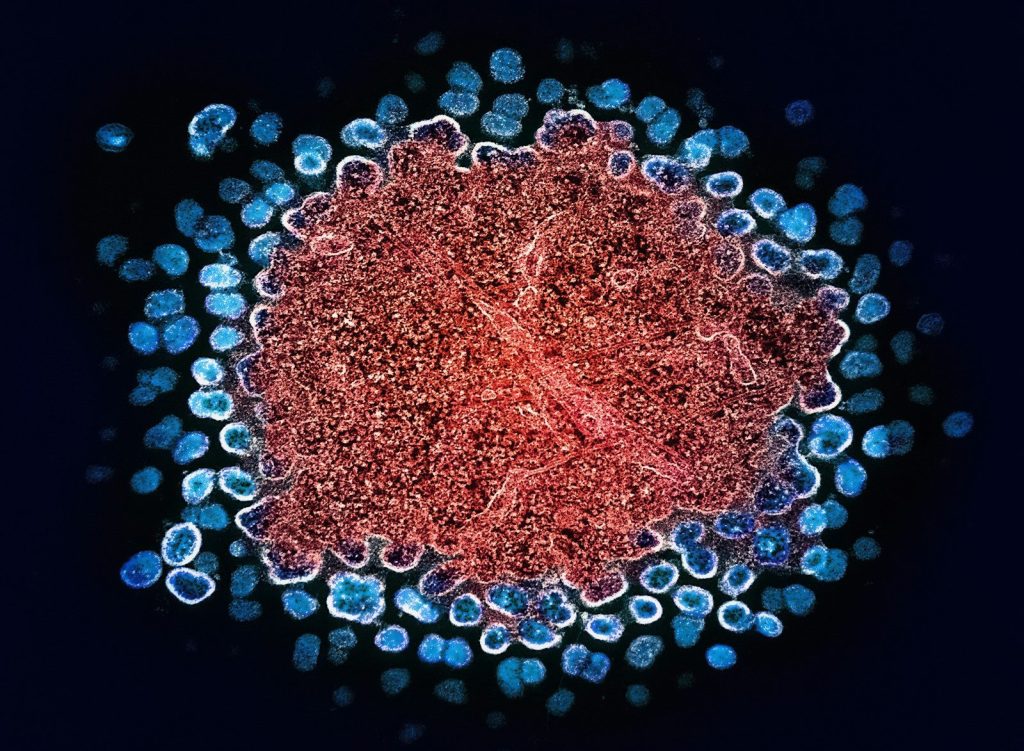
The greatest threat to the tribe is immunological. Because they have lived in complete isolation, their bodies lack immunity to common diseases. A tourist carrying a common cold could wipe out the entire population. This makes physical contact a potential act of genocide. Past events show what happens when outsiders interfere.
A tragic colonial experiment
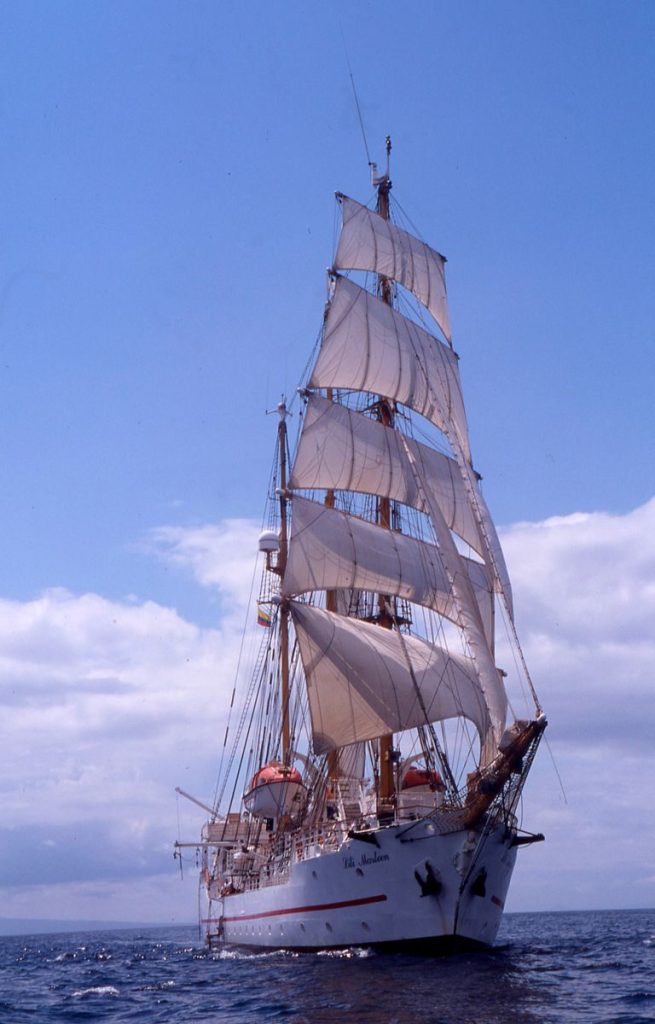
In 1880, a British naval officer named Maurice Portman kidnapped six Sentinelese people. He took them to Port Blair to study them. The two adults quickly became sick and died. Portman returned the four children to the island, likely carrying deadly pathogens with them. The islanders learned to fear the outside world.
The shipwrecks on the reef
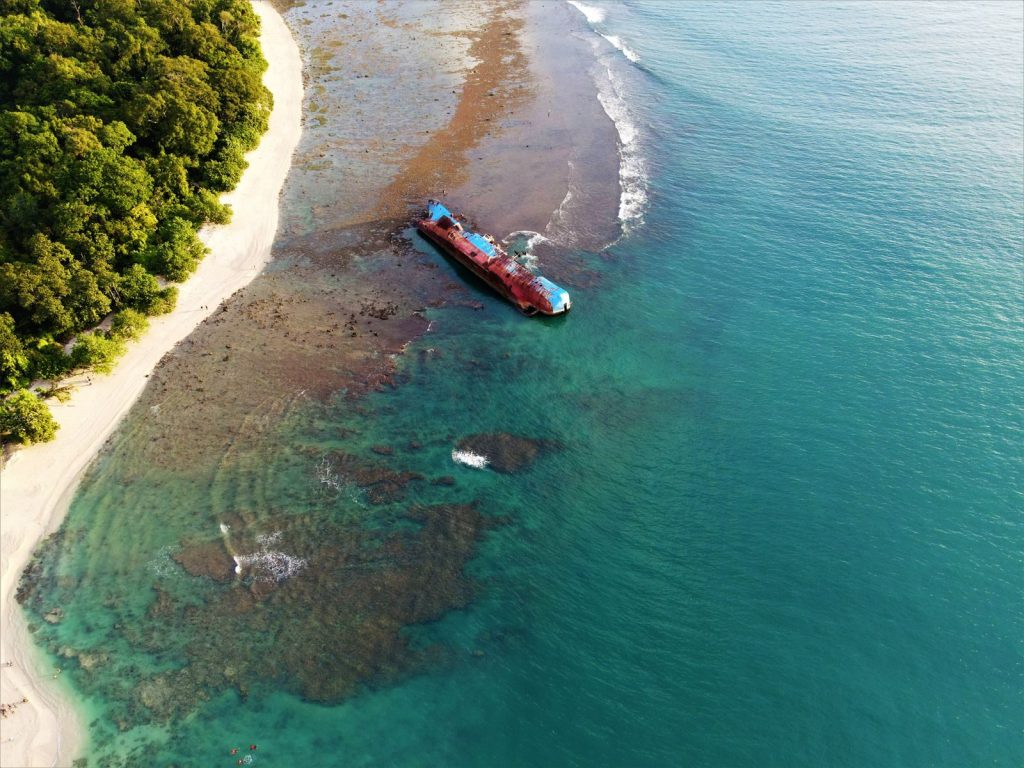
Multiple ships have run aground on the reefs surrounding the island over the decades. In 1981, a cargo vessel called the Primrose got stuck. The crew watched as armed islanders built boats to board the ship. A helicopter rescued the sailors just in time. Today, the rusting wreck still sits on the shallow reef.
What we actually know about them
We know very little about their language. High-resolution aerial photographs show that they build small temporary huts. They do not make fire. Instead, they wait for lightning to strike and keep embers alive. This lack of knowledge fuels international curiosity.
The failed gift-giving missions
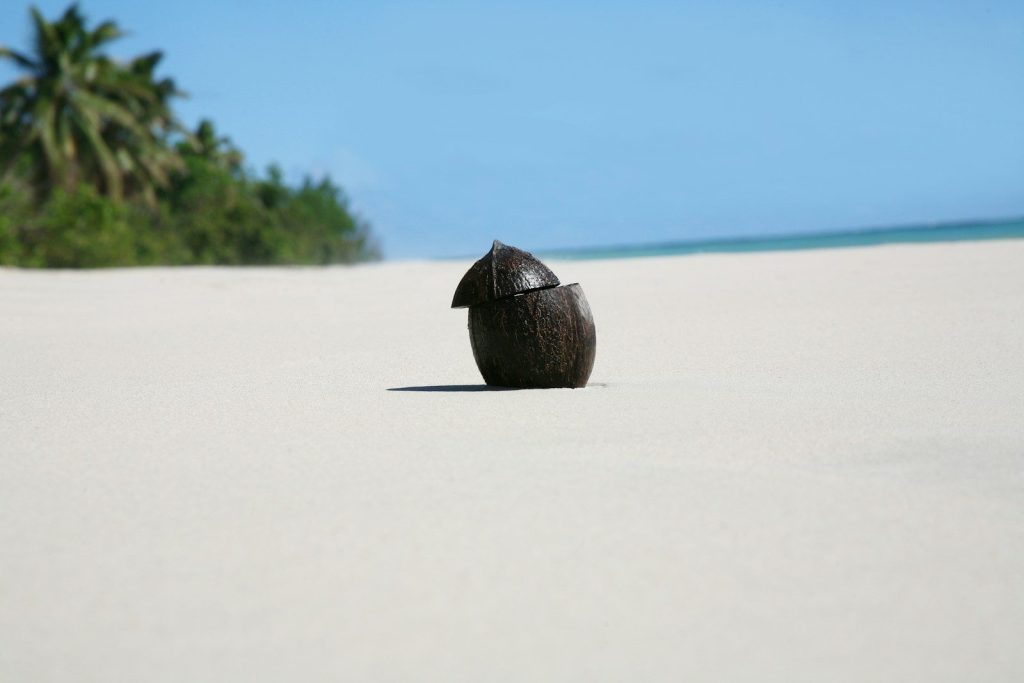
During the late twentieth century, Indian scientists attempted to leave gifts on the beach. They left coconuts, dolls, and pigs. The Sentinelese accepted the coconuts but buried the dolls and pigs in the sand. Scientists realized these visits achieved nothing and stopped them. Now, the policy has changed completely.
Respecting the final frontier
Today, the consensus is clear. The Sentinelese have chosen isolation, and we must respect it. By leaving them alone, we protect a unique human culture and save lives. Their island remains a living window into our ancient past.
Featured Image: Photo by Kyle Petzer on Unsplash
Leave a Reply