For decades, the dream of a world powered by water has felt like a distant fantasy. Green hydrogen is the ultimate fuel because it produces zero emissions, but it has always had one massive flaw. It is simply too expensive to make. To pull hydrogen from water, scientists usually need precious metals like platinum or iridium. These materials cost a fortune and keep green energy out of reach for the average person. However, a group of researchers just announced a discovery that changes the math forever. They have developed a new metal alloy that can split water molecules without the high price tag. This “miracle metal” is made from common materials you can find almost anywhere. It performs just as well as platinum but at a fraction of the cost. If this technology scales up, the era of gasoline might end much sooner than we thought. But what exactly is this mystery material made of?
The Hidden Cost Holding Back A Clean Energy Revolution

To understand why this is a big deal, you have to look at the current price of “green” hydrogen. Right now, it is roughly three times more expensive than natural gas. The main reason is the equipment used to create it. Electrolyzers act like giant batteries that separate hydrogen from oxygen. Inside these machines, the most critical components are coated in rare metals. Iridium is one of the rarest elements on Earth, and its price fluctuates wildly. As long as we rely on these “royal metals,” green hydrogen will stay a luxury item. Scientists knew they had to find a cheaper alternative, or the planet would stay hooked on oil. They spent years testing different combinations, but most cheap metals would simply dissolve or rust during the process. That was until they tried a very unusual recipe.
Why Common Metals Failed To Solve The Hydrogen Puzzle
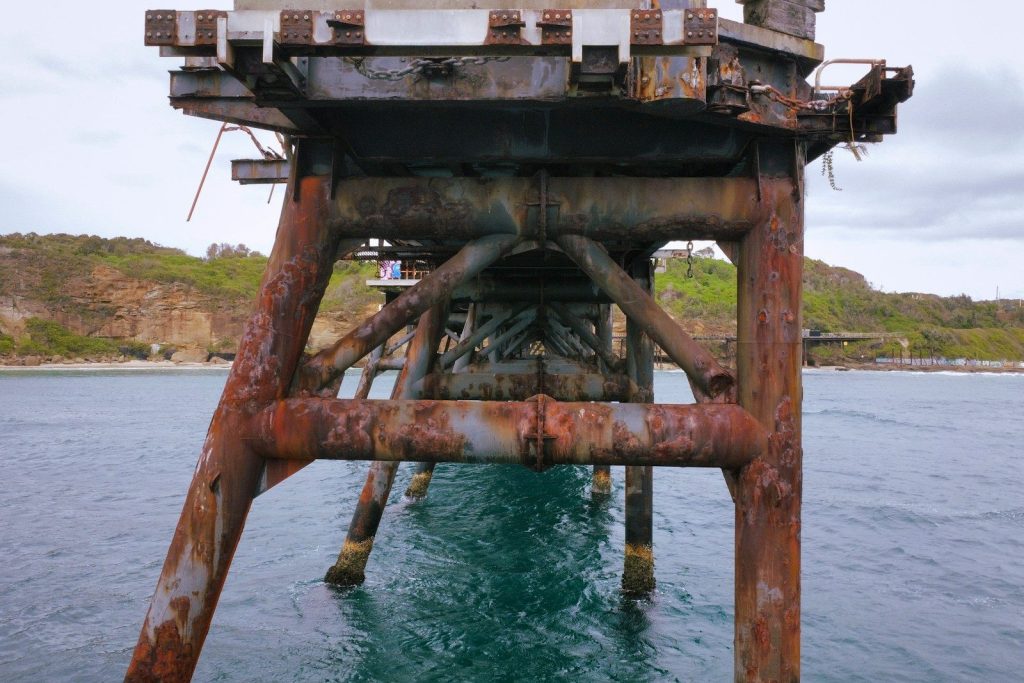
It seems like an easy fix to just use iron or nickel instead of platinum. After all, these metals conduct electricity and are very cheap. The problem is the harsh environment inside an electrolyzer. The process of splitting water creates a highly acidic and corrosive atmosphere. Most common metals fall apart within minutes of being turned on. It is like trying to build a bridge out of sugar while it is raining. Researchers were stuck in a loop of finding metals that were either cheap but fragile or strong but unaffordable. They needed something that could survive the “acid bath” while remaining active enough to trigger the chemical reaction. The breakthrough didn’t come from a single metal but from a chaotic mixture that defies logic.
A Secret Discovery Found In A High Entropy Alloy

How This Cheap Alloy Smashes Through The Efficiency Barrier

Efficiency is the name of the game in the energy world. In the past, cheap catalysts were not only fragile but also slow. They required a lot of electricity to produce just a little bit of hydrogen. This meant you were spending more on power than the fuel was worth. The new high-entropy alloy changes that. It has a unique atomic structure that allows hydrogen atoms to pop off the surface with almost zero resistance. It is like turning a gravel road into a high-speed glass highway. Tests show that this metal can run for thousands of hours without losing its edge. This means factories can produce massive amounts of fuel 24 hours a day with very little maintenance. The result is a flood of cheap energy that could make fossil fuels obsolete. But is the world ready for a fuel that is cheaper than gas?
Why Oil Companies Are Watching This Simple Molecule

The global energy market is worth trillions of dollars, and hydrogen is the biggest threat to the status quo. Unlike electricity stored in batteries, hydrogen can be shipped in tankers and stored in giant tanks just like oil. This means we can use it to power massive cargo ships, airplanes, and heavy trucks that batteries can’t handle. Up until now, oil companies haven’t been worried because the costs were too high. This new metal changes the timeline completely. If hydrogen becomes cheaper than diesel, every shipping company on Earth will switch overnight to save money. We are looking at a future where the world’s most powerful industries have to adapt or disappear. However, some people are asking if we can actually build enough of these machines to make a difference.
The Real Reason Your Future Car Might Run On Water
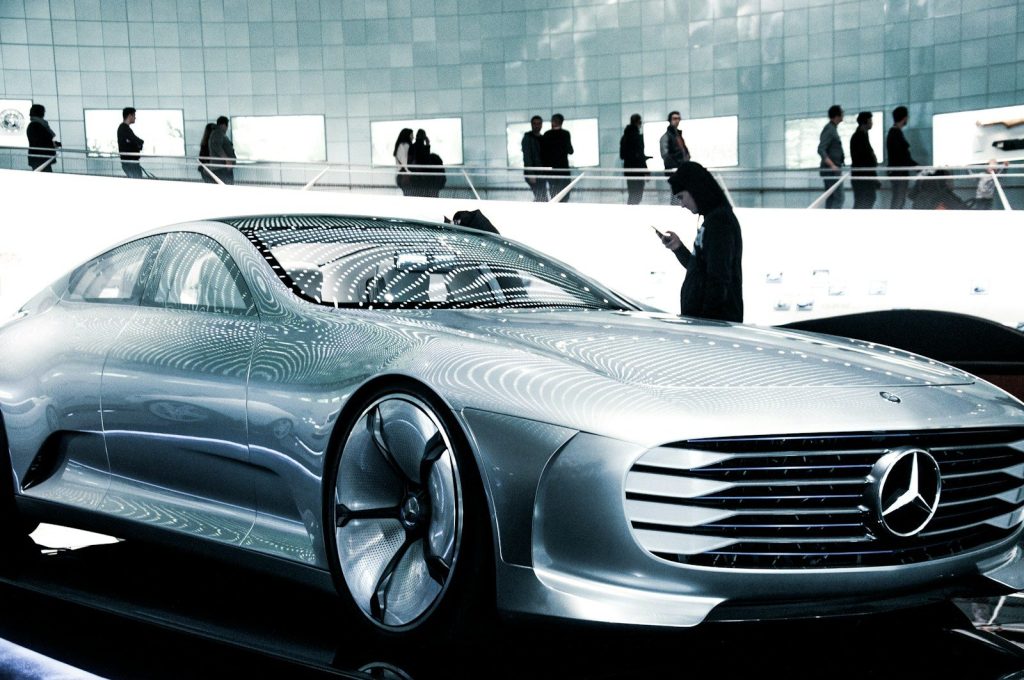
While electric cars are popular, they have some downsides, like long charging times and heavy batteries. Hydrogen cars can be refilled at a pump in less than five minutes. They have the same range as a gas car but only emit pure water vapor from the tailpipe. The only thing stopping them was the lack of cheap hydrogen. With this new metal discovery, “water-fueled” cars become a financial win for the driver. You could potentially fill your tank for half the price of gasoline. This isn’t just about being green; it’s about being smart with your wallet. Major car manufacturers are already pivoting their designs to take advantage of this breakthrough. But there is one final question about how safe this new fuel really is for the average person.
Can This New Metal Save The Planet In Time?
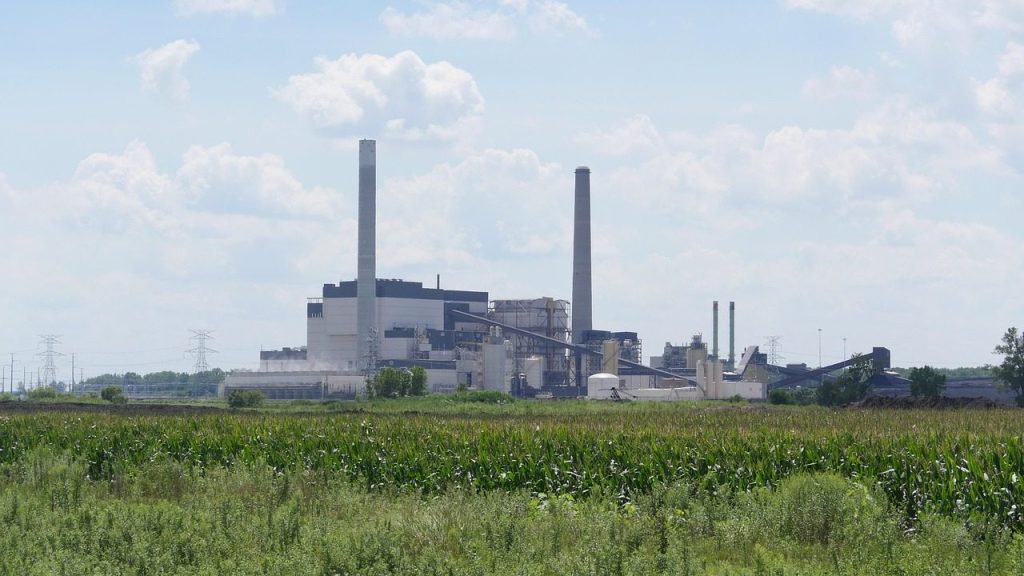
The race against climate change is a race against the clock. We need solutions that work now, not in fifty years. The beauty of this new alloy is that it uses existing manufacturing techniques. We don’t need to invent new factories to make it; we just need to change the recipe of the metals we are already melting. This means we could see large-scale hydrogen plants popping up within the next few years. It provides a path to decarbonize the “un-fixable” parts of our economy, like steel making and heavy shipping. The transition from oil to water is no longer a matter of “if” but “when.” We are standing on the edge of the biggest energy shift since the Industrial Revolution. But what happens to the global economy when energy suddenly becomes almost free?
Featured Image: Photo by Vincent Botta on Unsplash
Leave a Reply