
For decades, historians have argued about exactly when humans first climbed onto a horse’s back. Most textbooks claim it happened around 3,500 years ago with the rise of the great chariots. But a massive new study of ancient skeletons has just moved that date back by nearly a thousand years. This isn’t just a small correction; it is a total transformation of our understanding of human migration.
Researchers analyzed the bones of the Yamnaya people, a group of nomads who lived 5,000 years ago in what is now Eastern Europe. They found specific patterns of wear on their hips and spines that can only be caused by long hours in a saddle. It turns out that humans were mastering the horse while the pyramids were still being built. This early “speed” is what allowed our ancestors to conquer entire continents in record time. But the secret wasn’t found in a museum—it was hidden in the “grooves” of human bone.
The Bio-Markers of a Rider
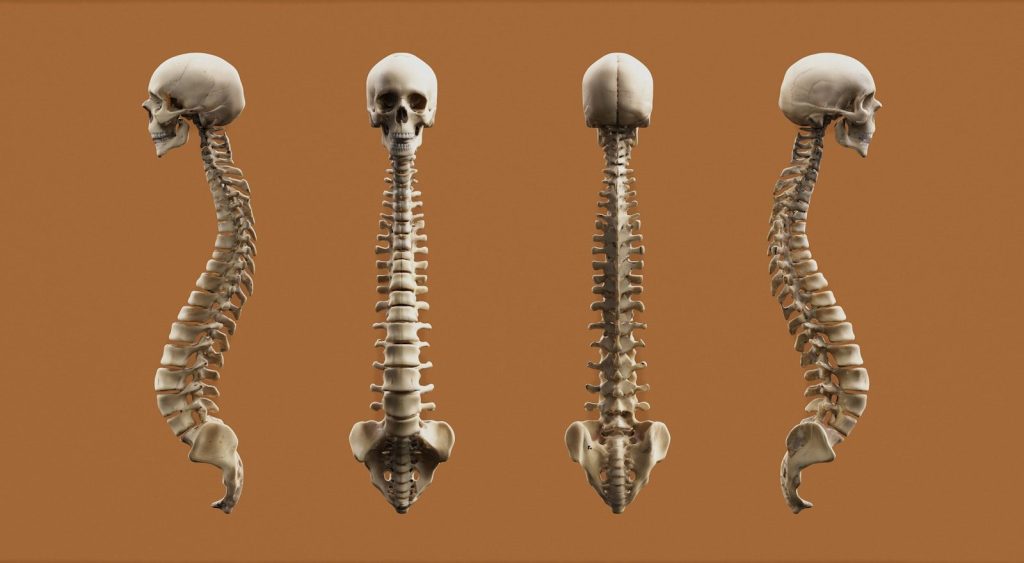
You can’t hide a life on horseback from your own skeleton. Riding a horse without modern stirrups requires intense muscle work and puts unique pressure on the pelvis and lower back. Scientists identified “horsemanship syndrome” in five Yamnaya skeletons. The bones had thickened in response to the constant bouncing and gripping. It is a physical “memory” of a rider that has lasted 5,000 years. But why were these people moving so fast across the world?
The Speed of the Steppe
The Yamnaya were the first to move out of their local valleys and into the vast, open grasslands. Before horses, traveling across the steppe was a slow and dangerous walk. With horses, they could cover fifty miles in a day. This mobility changed everything. They could manage larger herds of cattle and move their families to better land before anyone else. This “horse advantage” is why Yamnaya DNA is now found in almost every modern European. But did they have saddles or bridles back then?
Bridles Made of Bone and Rope
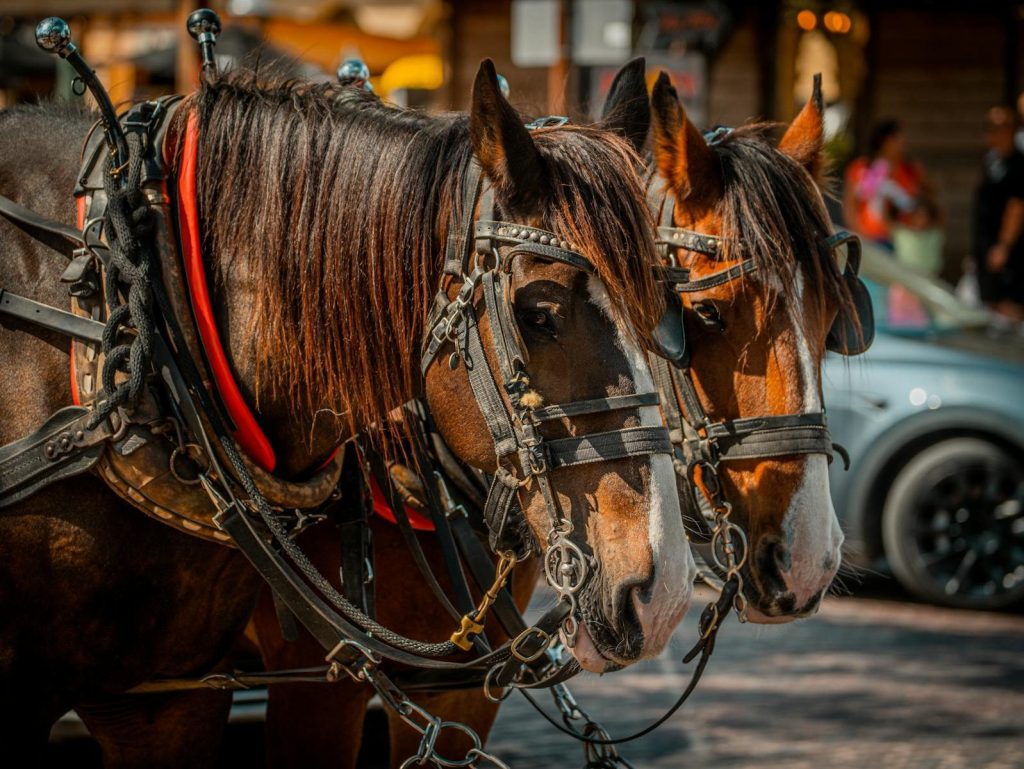
One reason we missed the date for so long is that ancient tack doesn’t last. Leather and rope rot away in the dirt. However, archaeologists have recently found bit-wear on horse teeth from the same period. This means the Yamnaya were using bits made of bone or hard rope to control their mounts. They weren’t just “hanging on”; they were steering with precision. It was the first “high-tech” transportation system in history. But wait until you see how this changed the way they fought.
The Invention of the Warrior Class
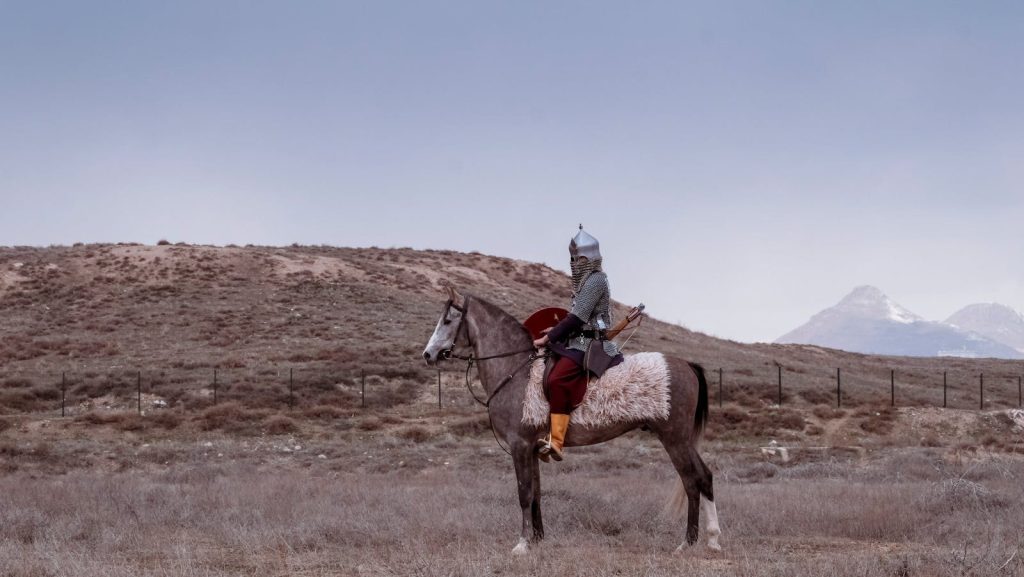
Being able to ride a horse turned a simple farmer into a powerful warrior. A rider with a spear is much more dangerous than a man on foot. The new proof suggests that the first “cavalry” emerged centuries before we thought. This led to a new type of social hierarchy where the best riders became the leaders. The horse wasn’t just a tool; it was a symbol of wealth and power. But what kind of horses were they actually riding?
Finding the DNA of the First Mounts

Geneticists have been tracking the DNA of ancient horses to find the “Founder” breed. They discovered that around 5,000 years ago, one specific type of horse from the Volga-Don region suddenly replaced all others. This was the “modern” horse—the one that was easy to train and strong enough to carry a human. Humans didn’t just find horses; they selectively bred them for speed and loyalty. This biological partnership is what built our world. But could a horse also be a companion in the afterlife?
Buried with Their Best Friend

In some Yamnaya graves, horses were buried alongside their owners. This shows an emotional bond that goes beyond just using an animal for work. They believed the horse would help them navigate the world of the dead. This spiritual connection is the foundation of the “horse culture” that dominated human history until the car was invented. But wait until you see the eerie gold relics found in a different kind of tomb in the mountains.
Rewriting the Ancient Map

This new timeline forces us to redraw the map of ancient human movement. The Yamnaya weren’t just slow-moving nomads; they were a high-speed expansion. They brought their language, their technology, and their horses to every corner of Eurasia. We are living in a world that was shaped by these early riders. But while the riders were conquering the plains, a group of mysterious nomads was building hidden cities of gold in the mountains.
The Final Verdict on the History Books

The discovery of 5,000-year-old riders is a reminder that we are still uncovering the truth about our past. Our ancestors were smarter, faster, and more adventurous than we gave them credit for. The horse was the first thing that truly made the world feel small. As we update our books, we have to stay curious. But are you ready for the terrifying secrets waiting inside a 2,300-year-old tomb in Siberia?
Leave a Reply