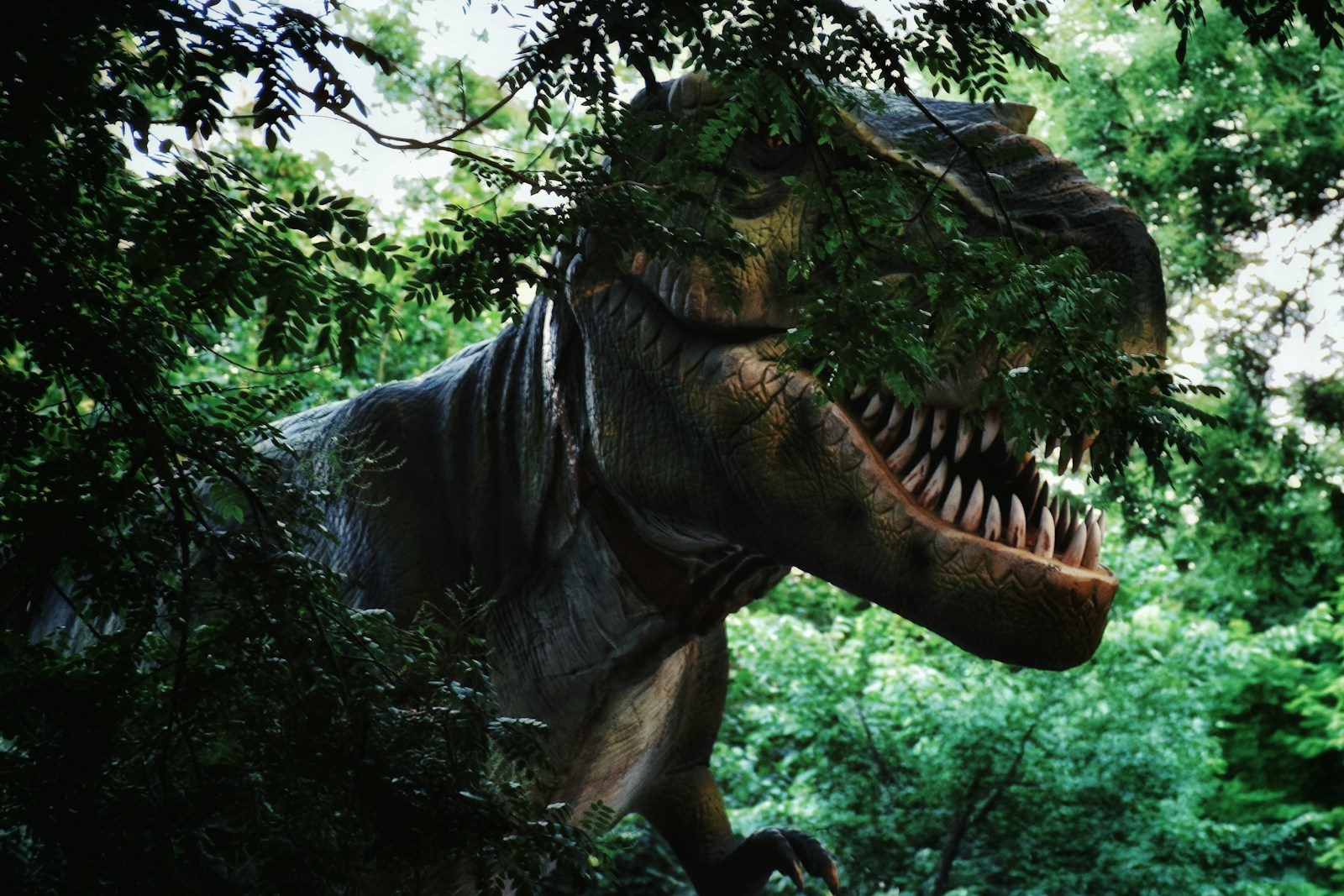
Most people imagine dinosaurs lived in a static tropical world that remained unchanged for millions of years. Popular movies picture giant creatures roaming lush forests under warm skies endlessly.
But dynamic geological shifts and changing oceans continuously altered prehistoric habitats. Sudden atmospheric upheavals repeatedly reshaped life across ancient landmasses.
Continental Split Changes Currents

According to geological research from Oxford University, massive tectonic forces split the single giant supercontinent into separate northern and southern landmasses. Tectonic rift valleys opened wide while new ocean basins filled with rising seawater. Continents drifted slowly. Breaking landmasses altered ocean currents and global weather patterns. This moisture shift began transforming inland climates into incredibly fertile regions.
Lush Jungles Carpet Land
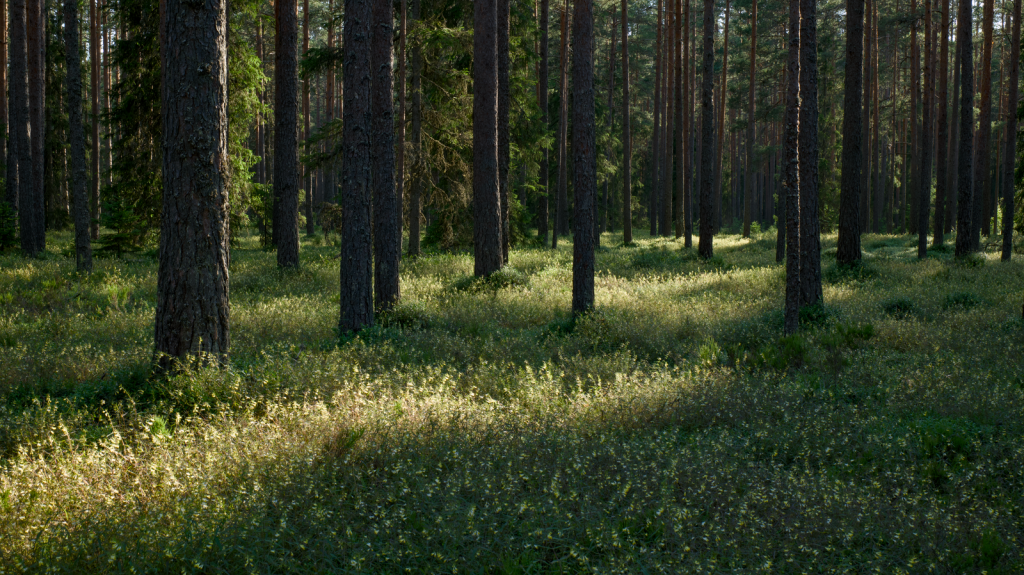
Warm global temperatures allowed dense coniferous forests and gigantic seed ferns to carpet continents from pole to pole, according to paleobotanical studies at the London Natural History Museum. Polar ice caps vanished completely under elevated carbon dioxide levels. Plants grew everywhere. Rich plant growth provided abundant food supplies for herbivorous prehistoric reptiles. This massive food supply triggered an evolutionary race toward gargantuan body sizes.
Gargantuan Sauropods Climb Canopy
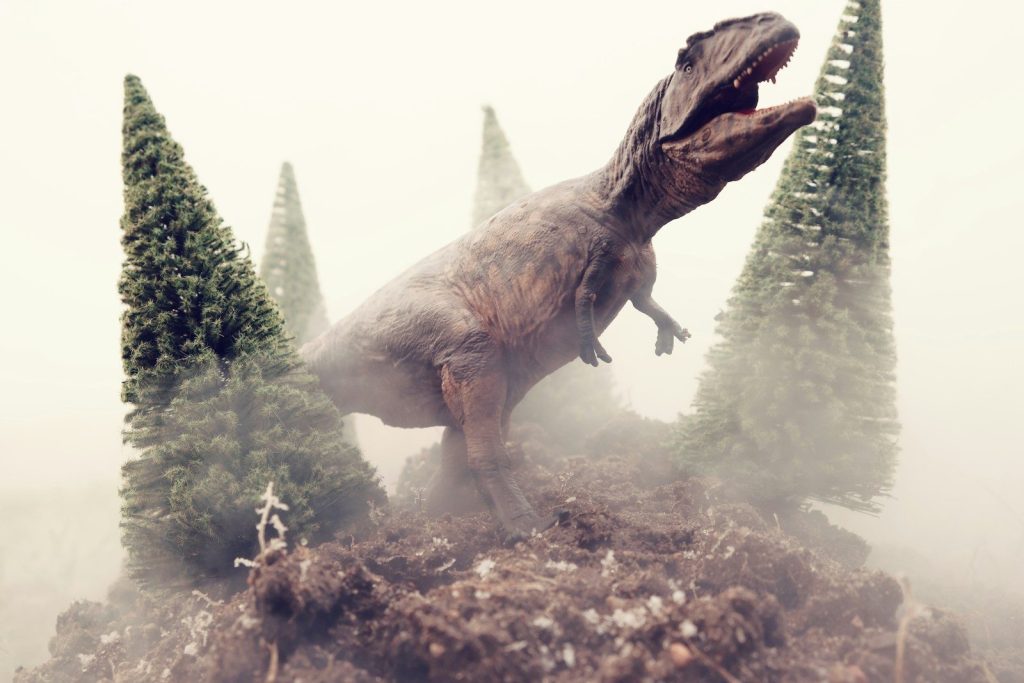
According to fossil analyses by Smithsonian Institution paleontologists, enormous sauropods grew to lengths exceeding one hundred feet while weighing as much as ten elephants combined. Hollow limb bones allowed these giant herbivores to support immense body weight easily. Size provided protection. Long necks allowed sauropods to feed on high tree canopies. But these massive plant eaters soon became prime targets for agile hunters.
Serrated Teeth Stalk Herds
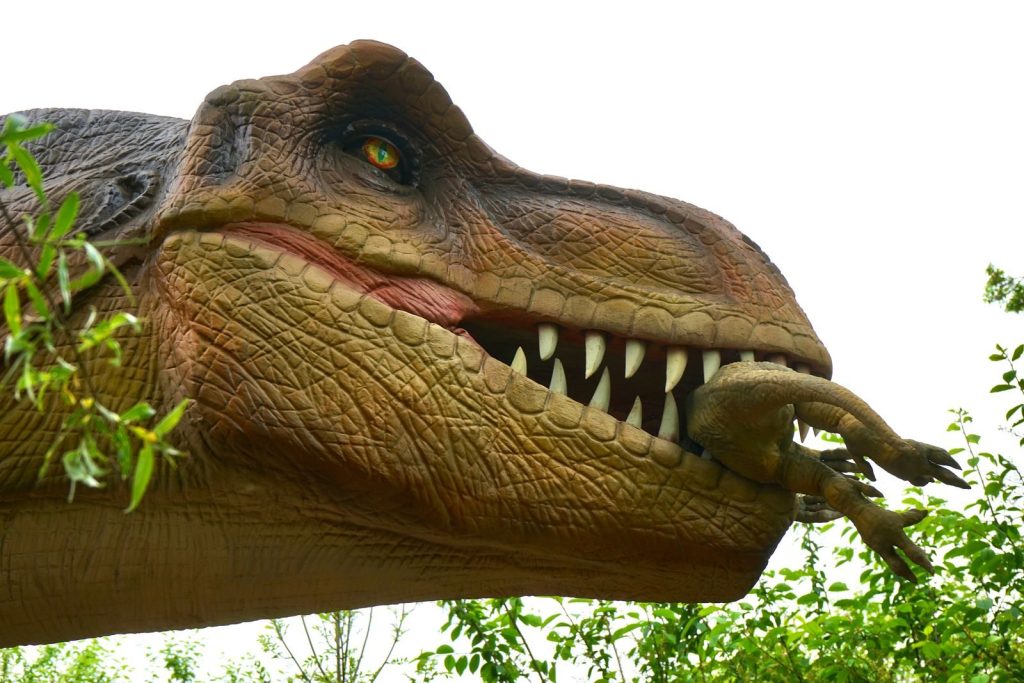
Theropod carnivores developed sharp serrated teeth and agile bipedal movement to track plant-eating herds across open floodplains, according to predator bone studies from the Berlin Museum of Natural History. Hunters moved fast. Carnivores used coordinated hunting tactics to bring down isolated sauropod juveniles. Yet prehistoric land ecosystems were not the only places where terrifying predators dominated the food chain.
Ocean Reptiles Patrol Depths

According to marine paleontology reports from Cambridge University, warm shallow seas supported diverse marine ecosystems filled with ammonites and giant swimming reptiles like plesiosaurs. Paddle-shaped limbs propelled marine hunters through deep coastal waters effortlessly. Oceans teemed with life. Long-necked marine reptiles used needle-sharp teeth to capture fast fish schools. But these highly productive waters would soon experience a catastrophic change.
Massive Volcanoes Poison Air
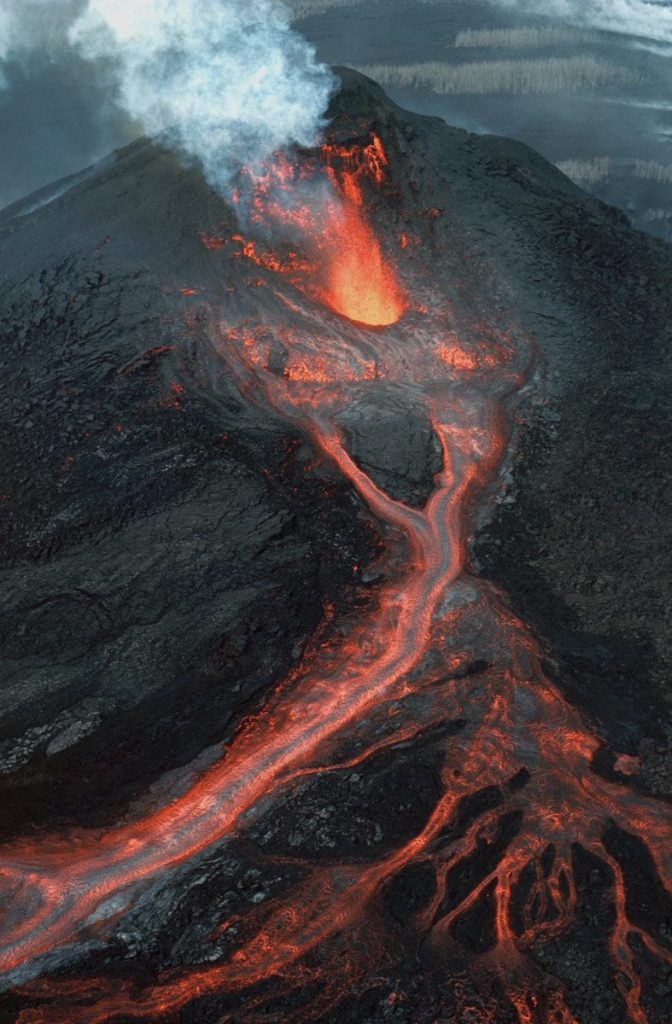
Massive volcanic rift events poured flood basalts across continental surfaces while releasing greenhouse gases into the air layers, according to geochemical data published by Nature Earth Science. Atmospheric carbon spiked. Intense volcanic outgassing caused ocean acidification and global oxygen depletion in deep marine waters. This sudden chemical shift initiated a rapid decline among vulnerable marine groups.
Rapid Die-Offs Clear Niches
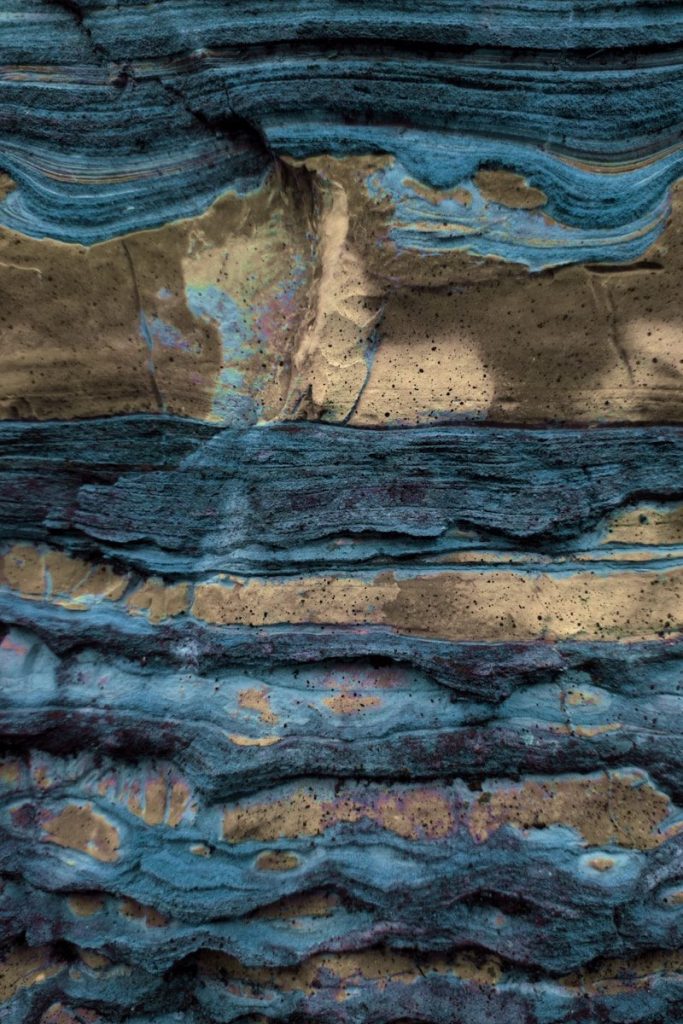
According to global fossil database studies, environmental stress at the period boundary triggered significant species loss across marine and terrestrial habitats alike. Delicate ecosystems collapsed rapidly. Vanishing species vacated crucial ecological roles across continents. This widespread devastation paved the way for a brand new group of prehistoric animals to emerge.
Prehistoric Clues Predict Future

Studying prehistoric Earth periods offers vital insights into planetary climate shifts and biological adaptation mechanisms over vast geological timescales. Fossil remains buried inside sedimentary rock layers continue to yield incredible discoveries about ancient ecosystems. According to international paleontological consensus, understanding past climate disruptions helps scientists evaluate modern environmental challenges. This article is for informational purposes only and does not constitute professional scientific advice.
Featured Image: Photo by Andrew Lvov on Unsplash
Leave a Reply