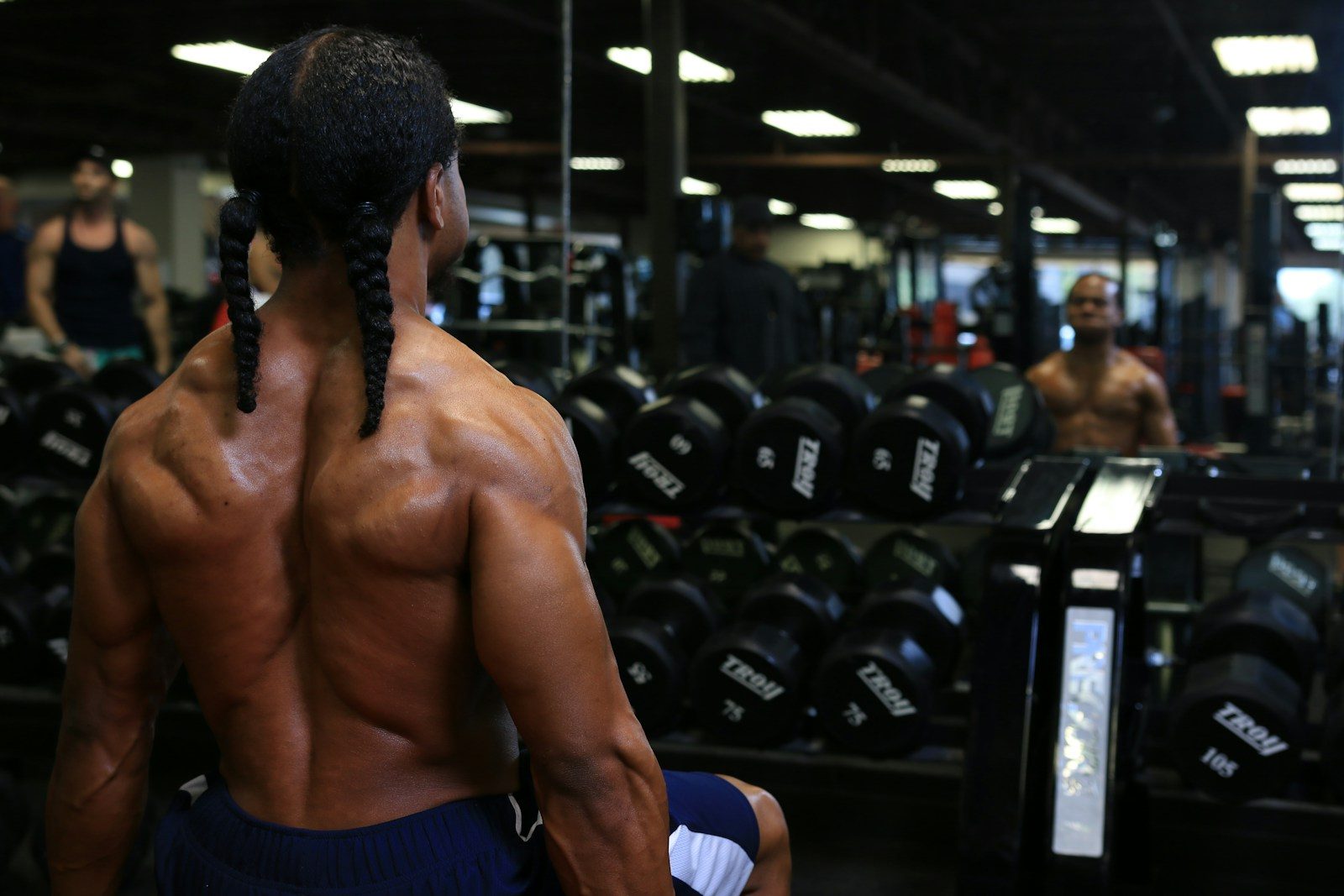
Competitive bodybuilding rewards extreme muscularity, very low body fat, and precise stage conditioning. Those goals can produce striking physiques, but appearance does not reveal cardiovascular health. A large study of male competitors found an unusually high share of sudden cardiac deaths, especially among professionals, raising concern about practices used at the sport’s highest levels.
The evidence does not mean ordinary strength training is dangerous. Resistance exercise improves muscle, bone health, mobility, and metabolic fitness when practiced responsibly. The risk discussion centers on extreme competitive methods, long-term performance-enhancing drug use, rapid weight changes, severe dehydration, and the pressure to maintain body sizes far beyond typical athletic demands.
Competitive Bodybuilder Stage Conditioning

Researchers identified more than 20,000 men who competed in international federation events between 2005 and 2020. They verified 121 deaths during follow-up, with an average age at death of about 45. Sudden cardiac death accounted for 46 cases, or 38 percent of all deaths. Professional competitors had more than five times the sudden cardiac death risk observed among amateurs, although the study could not document every athlete’s drug exposure. Because deaths were identified through public records, some cases may have been missed or misclassified.
Cardiovascular Heart Autopsy Pathology Screen
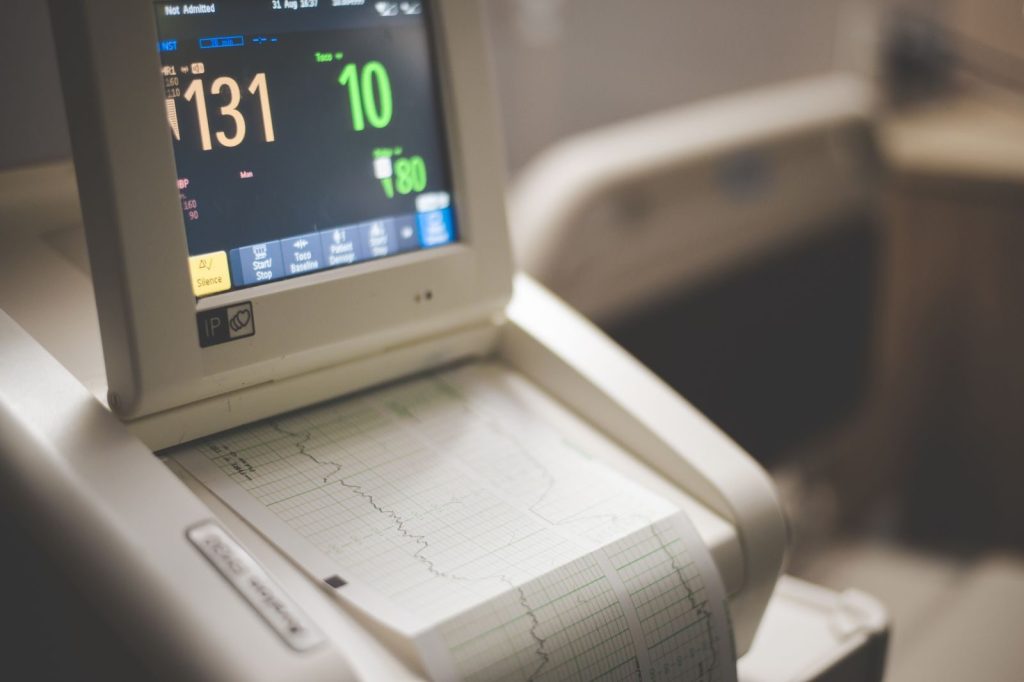
Sudden cardiac death occurs when a heart problem causes an unexpected fatal collapse, often through a dangerous rhythm. Available autopsies in the bodybuilding study frequently showed enlarged or thickened hearts, and some revealed coronary artery disease. Intense training can produce normal athletic adaptation, but extreme heart enlargement, scarring, blocked arteries, high blood pressure, or electrical instability can become dangerous, especially when several risk factors occur together. A competitor may look exceptionally fit while carrying changes that require imaging or testing to detect.
Anabolic Steroids Medical Risk Analysis
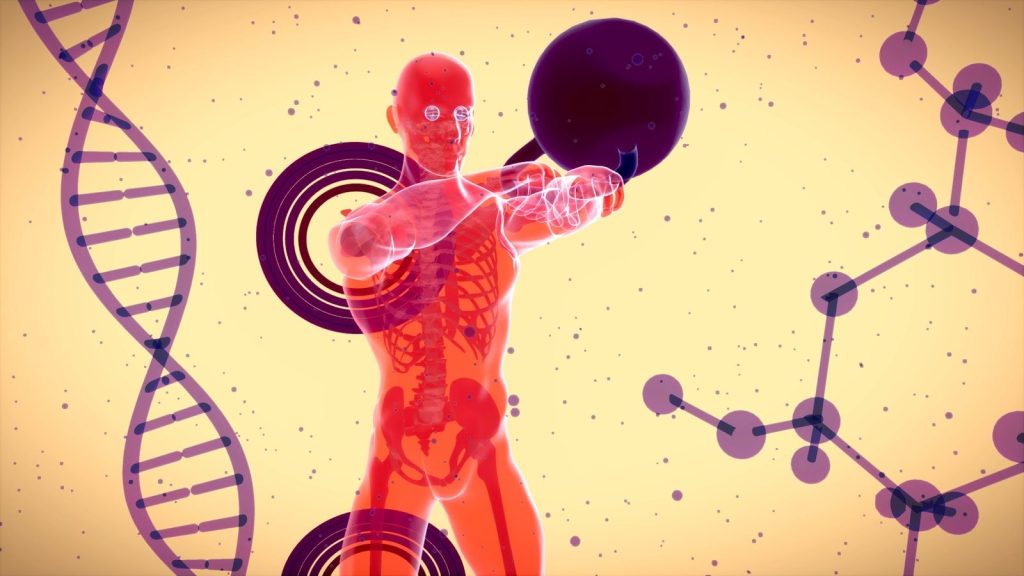
Anabolic-androgenic steroids can increase muscle and strength, but nonmedical high-dose use is linked with harmful changes in cholesterol, blood pressure, heart structure, clotting, and rhythm. Some athletes also combine multiple steroids with growth hormone, stimulants, thyroid drugs, insulin, or diuretics. Effects vary by dose, duration, genetics, and combinations, yet stacking substances makes risks harder to predict and medical warning signs easier to miss. Illicit products may also be contaminated or mislabeled, adding another layer of uncertainty.
Heavy Weightlifting Cardiovascular Strain

Extreme muscular body mass itself places a continuing workload on the cardiovascular system. Large bodies require greater blood flow, while heavy lifting can produce brief, dramatic rises in blood pressure. Sleep apnea, reduced aerobic conditioning, and long periods of elevated weight may add further strain. Bodybuilding does not create one single cause of death; risk emerges from the interaction of size, training, drugs, inherited conditions, and time. Regular health monitoring becomes more important as competitive mass and years of exposure increase.
Dehydrated Athlete Stage Weigh In
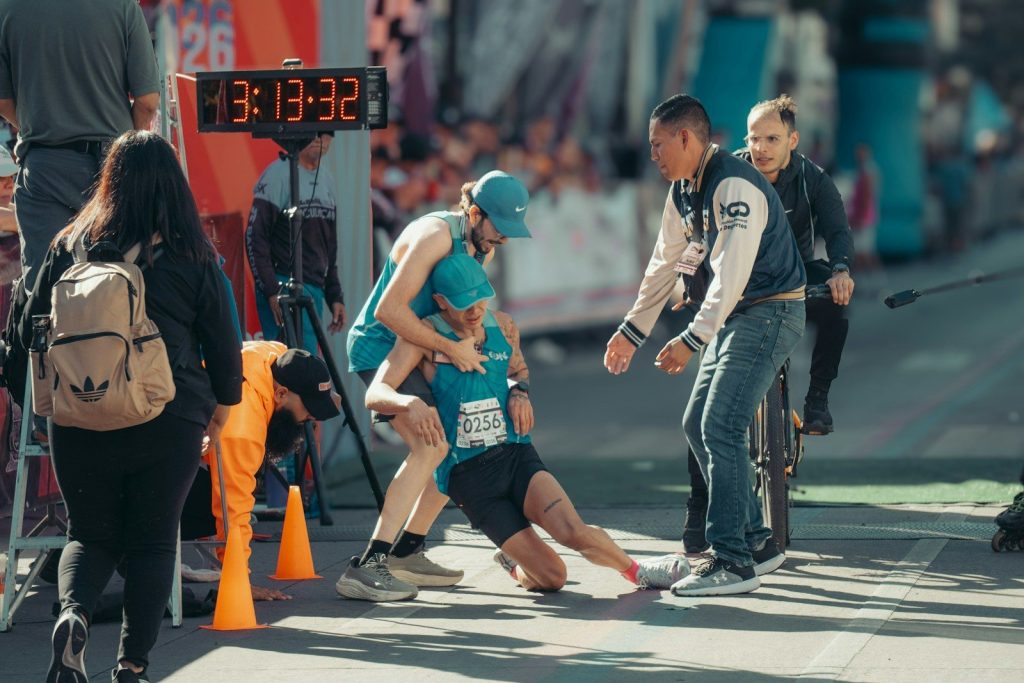
Contest preparation can be especially hazardous. Athletes may sharply restrict calories, carbohydrates, fluids, and sodium to appear leaner and more defined onstage. Some use diuretics to remove additional water. Dehydration and electrolyte disturbances can disrupt heart rhythm, lower blood pressure, impair kidney function, and increase collapse risk. The final days before competition may therefore create dangers that are not visible in routine gym training. Combining these methods with stimulants or hard training can intensify the physiological stress.
Athlete Mental Health Medical Consultation

The study also recorded sudden traumatic deaths, including crashes, overdoses, suicides, and homicides. Those cases do not prove bodybuilding caused each event, but they highlight the need to examine mental health, substance use, sleep, body image, and competitive pressure alongside heart risk. Athletes may feel unable to disclose drug use or symptoms because careers, sponsorships, and identity depend on maintaining an image of exceptional strength. Confidential, nonjudgmental medical support can make earlier disclosure and treatment more likely.
Sports Medicine Doctor Cardiology Checkup
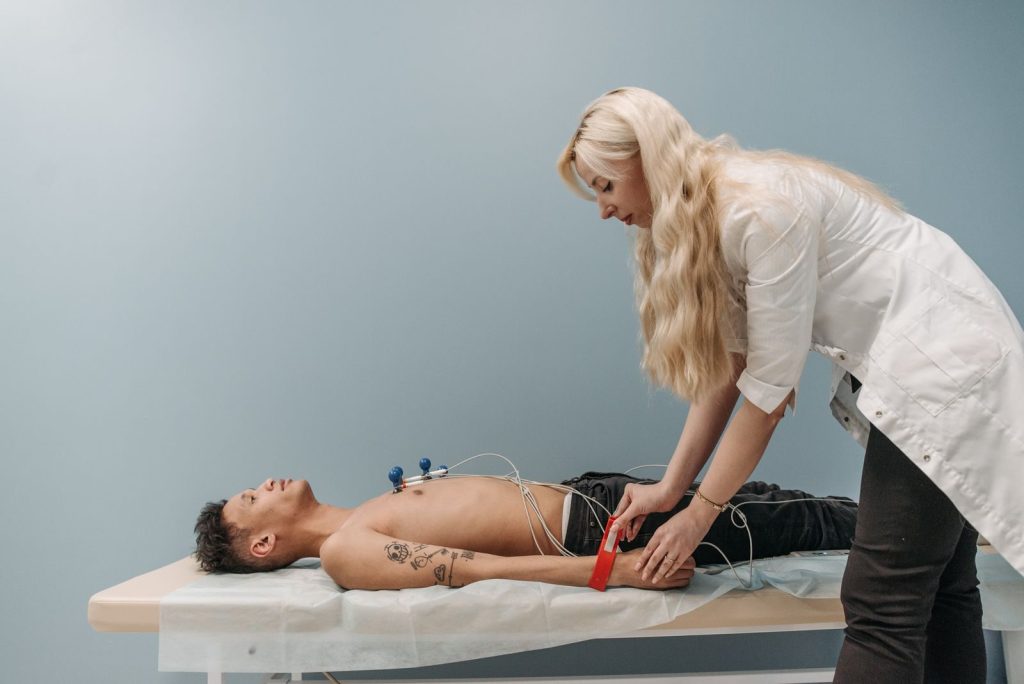
Safer participation requires more than a standard gym checkup. Competitive athletes need honest medical histories, blood pressure and laboratory monitoring, cardiovascular assessment when indicated, and immediate evaluation of chest pain, fainting, palpitations, or unusual breathlessness. Federations can strengthen anti-doping, health surveillance, and education. The central message is not to avoid lifting; it is to separate evidence-based strength training from extreme practices that sacrifice health for appearance. Long-term success should include leaving the sport with a healthy heart and functioning body. This article is for informational purposes only.